



Protecting subscriber data isn't just a legal requirement—it's fundamental to maintaining trust and operating a sustainable email marketing program. Under GDPR and other privacy regulations, organizations must implement appropriate technical and organizational measures to protect personal data. This guide covers everything you need to know about email data protection, from regulatory requirements to practical implementation strategies.
Understanding Email Data Protection Requirements
Before implementing security measures, understand what regulations require and why protection matters.
What Data Needs Protection
Email marketing involves various types of personal data:
Subscriber Information:
- Email addresses
- Names and demographics
- Company and job information
- Preferences and interests
Engagement Data:
- Open and click records
- Response history
- Purchase and conversion data
- Device and location information
Consent Records:
- When consent was given
- What was consented to
- How consent was obtained
- Subsequent changes
All of this is personal data under GDPR and similar regulations, requiring appropriate protection.
GDPR Article 32: Security of Processing
Article 32 sets the framework for data protection under GDPR:
Required Measures: The controller and processor shall implement appropriate technical and organizational measures to ensure a level of security appropriate to the risk, including as appropriate:
- Pseudonymization and encryption of personal data
- Confidentiality, integrity, availability, and resilience of processing systems
- Ability to restore availability and access to data in timely manner
- Regular testing and evaluation of security measures
Risk-Based Approach: Security measures must be appropriate to:
- The state of the art (current technology)
- Implementation costs
- Nature, scope, context of processing
- Risks to individuals' rights and freedoms
Key Principle: There's no one-size-fits-all. Assess your specific risks and implement appropriate measures.
Other Regulatory Requirements
CCPA/CPRA: Requires "reasonable security procedures and practices" appropriate to the nature of the information.
State Data Breach Laws: Most US states require reasonable security measures and breach notification.
Industry Standards: PCI DSS for payment data, HIPAA for health data, and sector-specific requirements may also apply.
Technical Security Measures
Implement these technical safeguards to protect subscriber data.
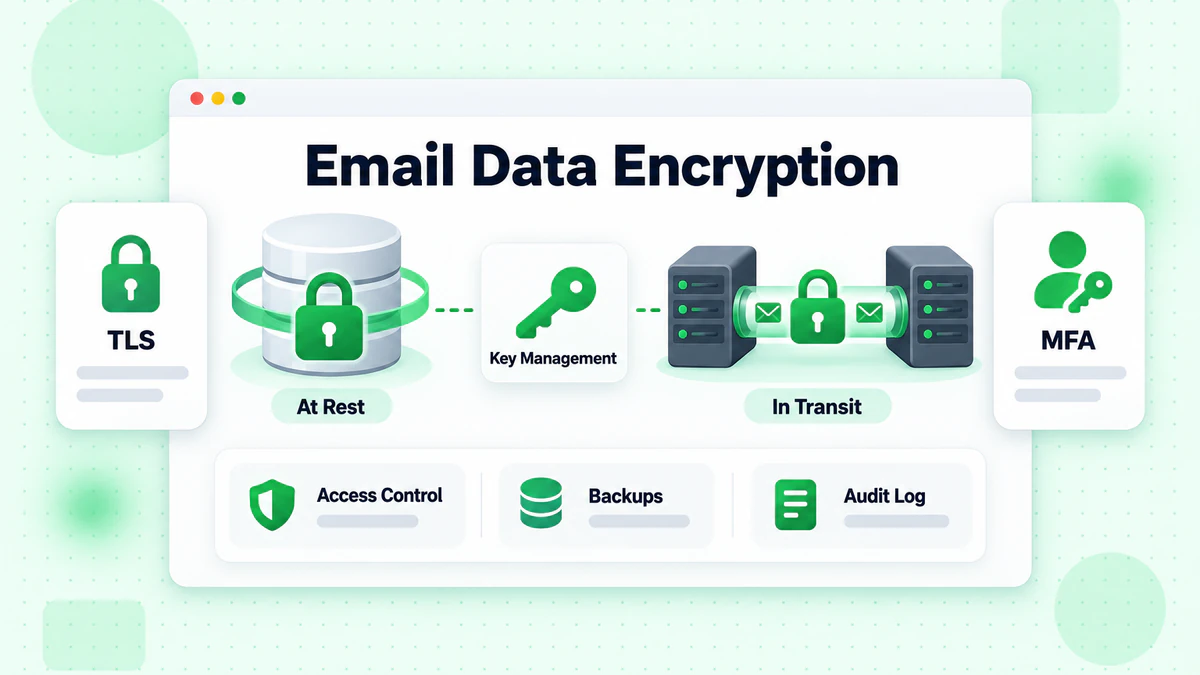
Encryption
Data at Rest: Encrypt stored subscriber data:
- Database encryption
- Disk/volume encryption
- Backup encryption
- Archive encryption
Data in Transit: Encrypt data during transmission:
- TLS/HTTPS for web traffic
- Encrypted API connections
- Secure file transfers
- Encrypted email where appropriate
Encryption Best Practices:
- Use current, strong algorithms (AES-256)
- Manage encryption keys securely
- Rotate keys periodically
- Don't store keys with encrypted data
Access Controls
Authentication:
- Strong password requirements
- Multi-factor authentication (MFA)
- Single sign-on (SSO) where appropriate
- Regular credential rotation
Authorization:
- Role-based access control (RBAC)
- Principle of least privilege
- Separation of duties
- Regular access reviews
Monitoring:
- Log all access to subscriber data
- Alert on unusual access patterns
- Review logs regularly
- Retain logs for incident investigation
Network Security
Perimeter Defense:
- Firewalls and network segmentation
- Intrusion detection/prevention systems
- DDoS protection
- VPN for remote access
Application Security:
- Web application firewalls
- Input validation
- SQL injection prevention
- Cross-site scripting protection
API Security:
- API authentication and authorization
- Rate limiting
- Input validation
- Secure key management
Email Service Provider Security
When using third-party email platforms, verify their security:
Provider Assessment Questions:
- What certifications do they hold? (SOC 2, ISO 27001)
- How is data encrypted?
- Where is data stored?
- What access controls exist?
- How are backups protected?
- What is their incident response process?
Contractual Requirements:
- Data Processing Agreement (DPA)
- Security requirements
- Breach notification obligations
- Audit rights
- Subprocessor transparency
Email Verification and Data Quality
Maintaining accurate data supports security:
Why Verification Matters:
- Removes invalid addresses that may indicate problems
- Reduces attack surface from fake signups
- Supports data accuracy requirements
Using BillionVerify: Email verification helps maintain data quality:
- Verify at signup to catch fraudulent addresses
- Regular bulk verification removes degraded data
- Disposable email detection blocks suspicious signups
Organizational Security Measures
Technical measures alone aren't enough. Organizational practices are equally important.
Policies and Procedures
Data Protection Policy: Document your approach to data protection:
- Scope and objectives
- Roles and responsibilities
- Security requirements
- Incident response procedures
- Review and update schedule
Acceptable Use Policy: Define how staff may handle subscriber data:
- Permitted uses
- Prohibited actions
- Device requirements
- Reporting obligations
Data Retention Policy: Specify how long data is kept:
- Retention periods by data type
- Deletion procedures
- Exception handling
- Archive management
Staff Training
Security Awareness:
- Phishing recognition
- Password security
- Data handling procedures
- Incident reporting
Role-Specific Training:
- Marketing team: proper data use, consent requirements
- Technical team: security configurations, access management
- Management: oversight responsibilities, risk assessment
Regular Refreshers:
- Annual training minimum
- Updates when threats change
- Testing and verification
- Documentation of completion
Vendor Management
Assessment Process: Before engaging email service providers or marketing tools:
- Security questionnaire
- Certification review
- Reference checks
- Contract negotiation
Ongoing Oversight:
- Regular security reviews
- Certification maintenance
- Incident notification
- Performance monitoring
Contractual Protections:
- Data Processing Agreements
- Security requirements
- Breach notification SLAs
- Audit rights
- Subprocessor management
Incident Response
Preparation:
- Documented incident response plan
- Defined roles and responsibilities
- Contact lists and escalation paths
- Regular drills and testing
Detection:
- Monitoring for security events
- Alert thresholds and escalation
- Log review processes
- Threat intelligence integration
Response:
- Containment procedures
- Investigation protocols
- Evidence preservation
- Communication templates
Recovery:
- Restoration procedures
- Verification steps
- Return to normal operations
- Documentation
Post-Incident:
- Root cause analysis
- Lessons learned
- Process improvements
- Regulatory reporting if required
Data Breach Response
Data breaches affecting subscriber information require careful handling.
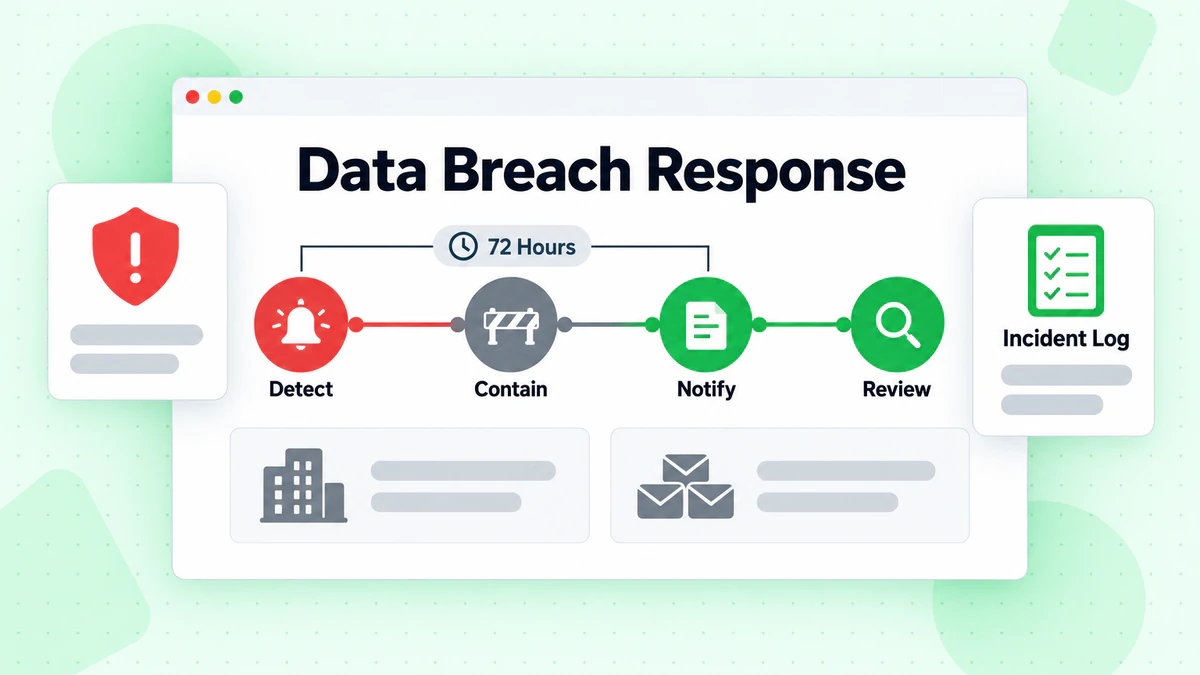
GDPR Breach Notification
To Supervisory Authority:
- Must notify within 72 hours of awareness
- Unless breach is unlikely to result in risk to individuals
- Provide details about the breach and measures taken
To Individuals:
- Required when breach likely results in "high risk" to rights and freedoms
- Must communicate in clear, plain language
- Describe breach and potential consequences
- Explain measures taken and recommended actions
Breach Response Steps
Step 1: Contain:
- Stop the breach if ongoing
- Prevent additional data loss
- Preserve evidence
Step 2: Assess:
- What data was affected?
- How many individuals?
- What type of breach (confidentiality, integrity, availability)?
- What's the likely impact?
Step 3: Notify:
- Regulatory authorities if required
- Affected individuals if high risk
- Third parties if they need to take action
Step 4: Remediate:
- Fix the vulnerability
- Strengthen controls
- Update procedures
Step 5: Document:
- Record the breach and response
- Maintain for regulatory review
- Use for improvement
Breach Prevention
Common Email Marketing Breach Causes:
- Credential compromise (phishing, weak passwords)
- Misconfigured systems (open databases, API errors)
- Insider threats (malicious or negligent)
- Third-party breaches (vendor compromises)
Prevention Measures:
- Strong authentication (MFA)
- Regular security testing
- Employee training
- Vendor assessment
- Configuration management
- Access monitoring
Data Protection by Design
Build protection into your email marketing processes from the start.
Privacy by Design Principles
Proactive, Not Reactive: Address privacy before problems occur.
Default Protection: Ensure privacy is the default setting.
Embedded into Design: Build privacy into systems, not as an afterthought.
Full Functionality: Positive-sum approach—privacy and functionality.
End-to-End Security: Protect throughout the data lifecycle.
Transparency: Keep practices visible and verifiable.
User-Centric: Respect user interests and preferences.
Applying to Email Marketing
Collection:
- Collect only what's necessary
- Be transparent about purposes
- Implement secure signup processes
- Verify email addresses with BillionVerify
Storage:
- Encrypt subscriber data
- Limit access to those who need it
- Implement retention limits
- Secure backups
Use:
- Use data only for stated purposes
- Segment access by function
- Log data access
- Monitor for anomalies
Sharing:
- Minimize third-party sharing
- Vet vendors thoroughly
- Use Data Processing Agreements
- Monitor vendor compliance
Deletion:
- Implement retention schedules
- Honor deletion requests promptly
- Verify deletion completion
- Maintain suppression lists
Security Checklist for Email Marketing
Use this checklist to assess your email data protection.
Technical Controls
Encryption:
- [ ] Subscriber database encrypted at rest
- [ ] Backups encrypted
- [ ] All web traffic over HTTPS
- [ ] API connections encrypted
Access Management:
- [ ] Multi-factor authentication required
- [ ] Role-based access implemented
- [ ] Regular access reviews conducted
- [ ] Terminated employee access removed promptly
Monitoring:
- [ ] Access logging enabled
- [ ] Unusual activity alerts configured
- [ ] Log retention appropriate
- [ ] Regular log review process
Infrastructure:
- [ ] Firewalls configured properly
- [ ] Systems patched regularly
- [ ] Vulnerability scanning conducted
- [ ] Penetration testing performed
Organizational Controls
Policies:
- [ ] Data protection policy documented
- [ ] Acceptable use policy in place
- [ ] Retention policy defined
- [ ] Incident response plan documented
Training:
- [ ] Security awareness training conducted
- [ ] Role-specific training provided
- [ ] Training completion tracked
- [ ] Regular refresher training
Vendors:
- [ ] ESP security assessed
- [ ] Data Processing Agreements in place
- [ ] Ongoing monitoring conducted
- [ ] Subprocessors documented
Compliance
GDPR:
- [ ] Article 32 requirements addressed
- [ ] Data protection impact assessments conducted
- [ ] Processing records maintained
- [ ] DPO appointed (if required)
Breach Readiness:
- [ ] Incident response plan tested
- [ ] Notification templates prepared
- [ ] Contact lists current
- [ ] 72-hour capability verified
Working with Email Service Providers
Your ESP is a critical partner in data protection.
Security Evaluation Criteria
Certifications:
- SOC 2 Type II
- ISO 27001
- GDPR compliance attestation
- Industry-specific (HIPAA, PCI)
Data Handling:
- Where is data stored?
- How is it encrypted?
- What retention applies?
- How is it deleted?
Access Controls:
- How is access managed?
- Is MFA available/required?
- What are audit capabilities?
- How is privileged access controlled?
Incident Response:
- What are breach notification SLAs?
- How are customers informed?
- What support is provided?
- What is their track record?
Data Processing Agreements
Required Elements Under GDPR:
- Subject matter and duration
- Nature and purpose of processing
- Type of personal data
- Categories of data subjects
- Controller obligations and rights
- Processor security obligations
- Subprocessor requirements
- Audit rights
- Deletion/return requirements
- Breach notification
Questions to Ask Your ESP
- Where is subscriber data stored (geographic location)?
- What encryption is used for data at rest and in transit?
- How is access to customer data controlled?
- What certifications do you maintain?
- How are backups protected?
- What is your incident response process?
- How quickly would we be notified of a breach?
- What happens to data when we cancel service?
- Who are your subprocessors?
- Can we conduct security audits?
Data Protection for Different Subscriber Segments
Consider additional protections for certain data types.
EU Subscriber Data
Under GDPR, additional requirements apply:
- Lawful basis documentation
- Data subject rights fulfillment
- Cross-border transfer safeguards
- Data protection impact assessments for high-risk processing
California Resident Data
Under CCPA/CPRA:
- Reasonable security measures
- Deletion request fulfillment
- Opt-out of sale/sharing
- Private right of action for breaches
Sensitive Industries
Healthcare:
- HIPAA requirements if applicable
- Extra care with health-related marketing
- Business Associate Agreements
Financial Services:
- GLBA requirements
- State financial privacy laws
- Enhanced security expectations
Education:
- FERPA considerations
- Student data protections
- Parent/guardian consent
Conclusion
Email data protection is a continuous responsibility that requires both technical safeguards and organizational practices. By implementing appropriate measures, you protect your subscribers, comply with regulations, and build the trust that sustains long-term email marketing success.
Key Takeaways:
Risk-Based Approach: Implement security measures proportionate to the risks your processing creates.
Technical and Organizational: Both types of measures are required—encryption alone isn't enough without proper policies and training.
Vendor Management: Your ESP and other tools are part of your security posture. Assess and monitor them.
Breach Preparedness: Have an incident response plan ready. Test it before you need it.
Continuous Improvement: Security isn't a one-time project. Regular review and updates are essential.
Data Quality: Maintain accurate data with email verification as part of your data protection strategy.
Documentation: Document your measures and keep records for compliance demonstration.
Remember that data protection isn't just about avoiding penalties—it's about respecting the trust subscribers place in you when they share their personal information. Organizations that prioritize protection build stronger, more sustainable email marketing programs.
For comprehensive guidance on email compliance, see our complete email compliance guide. Maintain accurate subscriber lists with BillionVerify's email verification service.
BillionVerify integrates directly with HubSpot, Mailchimp, and ActiveCampaign to keep contact lists clean automatically.