


B2B marketers face a tough reality: low engagement from outdated email practices and rapid contact decay. Annual email list decay reaches up to 25%, demanding continuous list hygiene to maintain performance. This article reveals proven tips to boost open rates by up to 40% through advanced segmentation, rigorous data hygiene, AI personalization, and journey marketing strategies tailored for mid-sized B2B companies.
Key Takeaways
| Point | Details |
|---|---|
| Advanced segmentation boosts open rates by 40% | Multi-layered audience targeting drives relevance and engagement |
| Real-time list hygiene reduces bounce rates | Continuous verification protects sender reputation and inbox placement |
| Technical authentication prevents spoofing | SPF, DKIM, DMARC, and BIMI increase trust and deliverability |
| AI-driven personalization raises engagement by 25% | Dynamic content tailoring scales one-to-one messaging efficiently |
| Journey-based emails improve conversions by 10-30% | Automated sequences aligned to buyer stages outperform blast campaigns |
Selection Criteria for B2B Email Marketing Tips in 2026
Choosing the right tactics requires understanding which factors drive results in today's complex B2B landscape. Marketing managers need to prioritize strategies that address both technical deliverability and audience engagement simultaneously.
Here are the critical selection criteria for effective B2B email campaigns in 2026:
- Data hygiene and continuous verification form the foundation for all email success
- Advanced segmentation and hyper-personalization drive message relevance
- Technical compliance with SPF, DKIM, DMARC, and BIMI protocols is mandatory
- Journey-based email marketing aligns with complex, multi-touch B2B buying cycles
- Compliance with privacy laws like GDPR and user consent requirements protects your brand
- Mobile-first and interactive email design captures busy decision-makers' attention
These six pillars work together. Neglecting email list hygiene basics undermines even the most creative campaign. Without proper authentication, your messages land in spam folders regardless of content quality. The best email deliverability essentials combine technical setup with ongoing data maintenance.
Successful B2B email marketing in 2026 demands this holistic approach. You cannot rely on a single tactic. Instead, integrate these criteria into your planning process to build campaigns that reach inboxes, engage readers, and drive conversions consistently.
Advanced Segmentation and Hyper-Segmentation
Basic demographic splits no longer cut it for B2B email marketing. You need multi-layered, data-driven audience segmentation that combines firmographics, technographics, and behavioral signals to achieve precision targeting.
Hyper-segmentation takes this further by creating highly specific audience clusters. Instead of grouping contacts by industry alone, layer in company size, technology stack, engagement history, and buying stage. This approach delivers up to 40% higher open rates compared to broad segmentation.
Tailoring content by buyer role proves essential. A CFO evaluating software needs different messaging than an IT manager implementing it. Lifecycle stage matters equally. Early-stage prospects want educational content, while late-stage buyers need case studies and pricing details.
Consider these segmentation dimensions:
- Firmographics: industry, company size, revenue, location
- Technographics: current tools, platforms, integration needs
- Behavioral data: email opens, website visits, content downloads, webinar attendance
- Buyer journey stage: awareness, consideration, decision, retention
A common misconception treats personalization as simply inserting first names into subject lines. Real personalization means crafting entire messages around the recipient's specific challenges, goals, and context. When you segment properly, each email feels like a one-to-one conversation rather than a mass broadcast.
"Effective segmentation transforms generic campaigns into targeted conversations that resonate with each recipient's unique business needs and decision-making stage."
Implementing B2B list cleaning steps ensures your segmentation data remains accurate. Outdated job titles, incorrect industries, or inactive contacts pollute your segments and waste targeting efforts. Clean data enables smart segmentation, which drives engagement and revenue.
Email List Hygiene and Verification
Your email list decays constantly. Studies show that up to 25% of B2B email addresses become invalid annually due to job changes, company closures, and role transitions. Without ongoing list hygiene, your campaigns suffer from rising bounce rates, damaged sender reputation, and poor deliverability.

Non-engagers drain campaign performance. Define these contacts as anyone with zero opens or clicks over the past 6 to 12 months. They signal disinterest or invalid addresses. Real-time list hygiene practices identify and remove these contacts promptly to protect your sender score.
Managing bounces requires immediate action. Hard bounces indicate permanent delivery failures and must be removed instantly to avoid blacklisting. Soft bounces may resolve but need monitoring. Repeated soft bounces should trigger removal after three to five attempts.
Follow this ongoing verification process:
- Run bulk verification on your entire list quarterly using an automated platform
- Enable real-time verification for all new sign-ups and imports
- Monitor engagement metrics and flag contacts with no activity for 6+ months
- Remove hard bounces immediately and soft bounces after multiple failures
- Re-engage inactive contacts with a targeted win-back campaign before permanent removal
- Document your hygiene schedule and compliance procedures
Verification platforms automate this cleansing cycle. They detect disposable emails, spam traps, role-based addresses, and risky domains before you send. This proactive approach maintains list quality without manual work.
Pro tip: Schedule automated verification runs every 90 days and set up alerts for bounce rate spikes above 2%. Quick action prevents blacklist issues and preserves your sender reputation for long-term campaign success.
Implementing strategies to reduce bounce rates effectively and following 2026 list hygiene strategies keeps your campaigns performing at peak levels. Pair these practices with bulk email validation best practices for comprehensive data quality management.
Technical Email Authentication Essentials
Technical authentication protocols form your defense against email spoofing and phishing attacks. These safeguards also dramatically improve inbox placement by proving your messages come from legitimate sources.
SPF (Sender Policy Framework) validates that emails originate from authorized mail servers. You publish a DNS record listing approved sending IP addresses. When receiving servers check this record and find a match, they trust your message. Without SPF, your emails appear suspicious and land in spam folders.
DKIM (DomainKeys Identified Mail) adds cryptographic signatures to your messages. This signature proves the email content hasn't been tampered with during transit. DKIM works alongside SPF to verify both sender identity and message integrity.
DMARC (Domain-based Message Authentication, Reporting, and Conformance) enforces SPF and DKIM results. It tells receiving servers what to do when authentication fails: quarantine, reject, or monitor. Mastering SPF, DKIM, and DMARC reduces spoofing attempts and improves email trust scores significantly.
BIMI (Brand Indicators for Message Identification) displays your brand logo next to authenticated emails in supported inboxes. This visual trust signal increases open rates and reinforces brand recognition. BIMI requires a verified trademark and full DMARC enforcement at the reject or quarantine level.
Implement these protocols in sequence:
- Set up SPF records for all sending domains and subdomains
- Configure DKIM signatures through your email service provider
- Enable DMARC with a monitoring policy first, then escalate to quarantine or reject
- Apply for BIMI once DMARC enforcement is active
Complete authentication setup prevents phishing attacks using your domain and signals to inbox providers that you follow best practices. This combination boosts deliverability and protects your brand reputation. Consult email deliverability protocols for detailed implementation guidance.
AI-Driven Personalization and Journey-Based Email Marketing
AI transforms email personalization from a manual, time-intensive process into a scalable system that delivers one-to-one messaging at enterprise scale. Machine learning algorithms analyze recipient behavior, preferences, and engagement patterns to dynamically customize subject lines, content blocks, and calls to action.
AI personalization tools can raise engagement by up to 25% by tailoring every element to individual recipients. Instead of writing one subject line for 10,000 contacts, AI generates variations optimized for each person's past behavior and predicted preferences. This approach maintains the personal touch without requiring hours of manual work.
Journey-based email marketing automates sequences triggered by specific actions or lifecycle stages. A prospect downloading a whitepaper enters a nurture sequence. A customer reaching renewal date receives retention messaging. Journey-based emails improve conversion rates by 10 to 30% compared to standalone campaigns because they deliver timely, relevant messages aligned to buyer needs.
Compare these two approaches:
| Feature | Blast Campaigns | Journey-Based Automation |
|---|---|---|
| Timing | Manual, one-time sends | Triggered by behavior or schedule |
| Personalization | Basic merge tags | Dynamic, behavior-driven content |
| Relevance | Generic messaging | Contextual to buyer stage |
| Conversion Lift | Baseline performance | 10-30% higher conversions |
| Effort Required | High per campaign | High setup, low ongoing effort |
Customer lifecycle stage and behavior inform journey sequencing. Early-stage prospects need educational content to build awareness. Mid-stage buyers want product comparisons and case studies. Late-stage contacts require pricing, demos, and testimonials. Automated journeys deliver the right content at each stage without manual intervention.
Pro tip: Start with simple triggers like form submissions or trial sign-ups before building complex, multi-touch journeys. Test AI personalization on subject lines first, then expand to body content as you gain confidence in the results.
Leverage list cleaning tips and deliverability troubleshooting to ensure your automated journeys reach inboxes consistently. Clean data feeds better AI models and more effective personalization.
Mobile-First Interactive Email Design for B2B Engagement
Most B2B decision-makers read emails on mobile devices during commutes, between meetings, or while traveling. If your emails don't render properly on smartphones, you lose engagement before recipients even read your message.
Mobile-first design optimizes layout, load times, and accessibility for small screens. Use single-column layouts, large touch-friendly buttons, and concise copy that conveys value quickly. Test rendering across iOS and Android devices plus popular email clients like Gmail and Outlook mobile apps.
Interactive elements boost engagement by inviting participation directly within the email. These features include:
- Polls and surveys that collect feedback without leaving the inbox
- Countdown timers creating urgency for limited-time offers
- Clickable image carousels showcasing multiple products or features
- Accordion menus revealing additional content on tap
- Embedded video thumbnails linking to hosted content
Interactivity can increase click-through rates by up to 15% by making emails more engaging and actionable. Busy executives appreciate the ability to respond to polls or explore options without navigating to external landing pages.
Accessibility matters for inclusive design and broader reach. Use sufficient color contrast, descriptive alt text for images, and semantic HTML structure. These practices help recipients using screen readers or assistive technologies engage with your content fully.
Prioritize fast loading by optimizing image file sizes and minimizing code bloat. Mobile users on cellular connections abandon slow-loading emails quickly. Compress images to under 1MB total per email while maintaining visual quality through modern formats like WebP.
Summary Comparison and Situational Recommendations
Each B2B email marketing strategy offers distinct advantages depending on your campaign goals, list size, and buyer journey complexity. This comparison helps you prioritize tactics based on your specific situation.
| Strategy | Primary Benefit | Best For | Implementation Effort | Expected ROI |
|---|---|---|---|---|
| Advanced Segmentation | 40% higher open rates | Companies with diverse buyer personas | Medium | High |
| List Hygiene & Verification | Reduced bounce rates, better reputation | All campaigns, especially large lists | Low with automation | Very High |
| Email Authentication | Improved inbox placement | Protecting brand and avoiding spam filters | Medium setup, low maintenance | High |
| AI Personalization | 25% engagement increase | Scaling one-to-one messaging | High initial, low ongoing | High |
| Journey Marketing | 10-30% conversion lift | Complex sales cycles, multiple touchpoints | High | Very High |
| Mobile-First Design | Better mobile engagement | Reaching on-the-go decision makers | Medium | Medium to High |
Prioritize list hygiene and authentication first. These foundational practices directly impact whether your emails reach inboxes at all. Without clean data and proper technical setup, other tactics cannot deliver results.
Leverage segmentation and AI once your foundation is solid. These strategies maximize engagement from contacts who actually receive your messages. Start with basic segmentation by industry and role, then layer in behavioral data as you collect more information.
Implement journey marketing for complex B2B sales cycles involving multiple stakeholders and long evaluation periods. Automated sequences nurture prospects through awareness, consideration, and decision stages more effectively than periodic blast campaigns.
Adopt mobile-first design immediately regardless of your current maturity level. The shift to mobile email consumption is complete, making responsive design non-negotiable for B2B marketers targeting busy professionals.
Enhance Your B2B Email Campaigns with BillionVerify
Putting these strategies into practice starts with verified, clean contact data. BillionVerify automates real-time email verification and ongoing list hygiene, eliminating manual work while protecting your sender reputation.
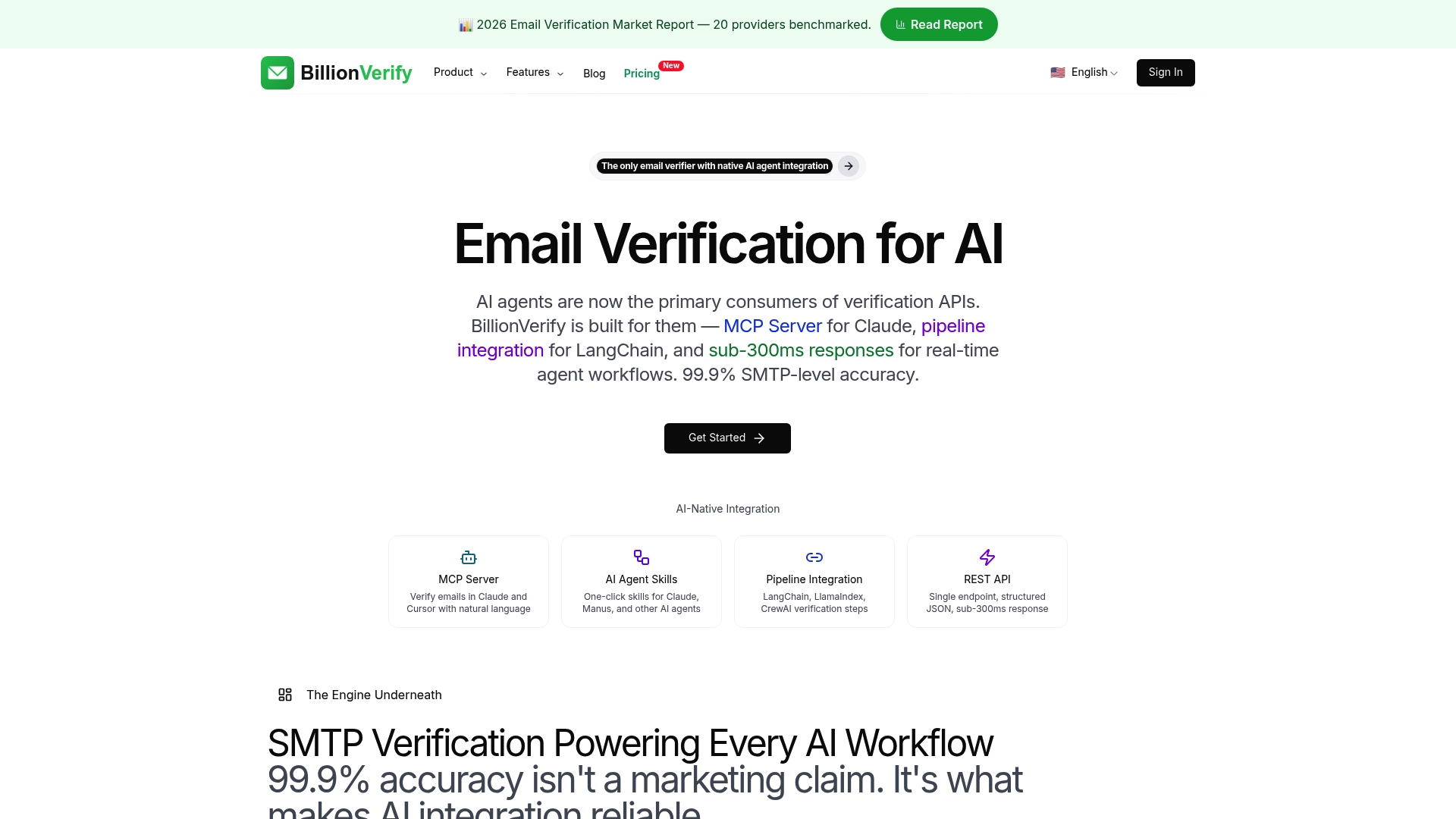
Our enterprise-grade platform detects disposable emails, spam traps, and risky domains before they damage your campaigns. Integrate seamlessly with over 20 major email marketing systems and CRMs to maintain data quality across your entire marketing stack. Explore our comprehensive guides on email verification tips for 2026, bulk email verification best practices, and advanced email deliverability strategies to boost your campaign performance with cleaner lists and improved inbox placement.
FAQ
What is hyper-segmentation in B2B email marketing?
Hyper-segmentation divides your audience using multiple data layers like firmographics, technographics, behavioral signals, and buyer journey stage for maximum relevance. It surpasses basic demographic splits by creating highly specific audience clusters that enable truly personalized messaging.
How often should I clean my B2B email list?
Best practice involves continuous verification with at least quarterly full list cleansing to remove inactive or bounced addresses. This prevents the impact of natural list decay and protects your sender reputation from deteriorating over time.
Why is SPF, DKIM, and DMARC important for my campaigns?
These authentication protocols verify your email servers, prove message integrity, and protect against spoofing and phishing attacks. Proper setup significantly increases inbox placement rates by establishing trust with receiving mail servers and avoiding spam filters.
Can AI really improve B2B email performance?
Yes, AI enables scalable dynamic personalization that improves engagement by up to 25% through behavior-driven content customization. It tailors subject lines, body content, and calls to action based on real-time recipient behavior and predicted preferences at enterprise scale.