



A single percentage point increase in your bounce rate can slash inbox placement by up to 20% and trigger spam filter alerts that damage your sender reputation for months. Email marketers routinely lose thousands in revenue because they overlook the hidden quality issues lurking in their lists. This guide will show you exactly how to assess email list quality, why it matters for every campaign you send, and the proven methods to keep your list healthy so you can achieve bounce rates under 2% that correlate strongly with better deliverability and reputation.
Key Takeaways
| Point | Details |
|---|---|
| Email list quality directly affects deliverability and engagement | Poor quality raises bounce rates, triggers spam filters, and damages sender reputation permanently. |
| Regular validation reduces bounce rates below 2% | Multi-layer verification removes invalid and risky addresses to protect inbox placement. |
| Engagement-based segmentation improves ROI by up to 30% | Targeting active subscribers increases click-through rates and lowers spam complaints significantly. |
| Ignoring spam traps and risky addresses leads to blacklisting | Proactive risk detection prevents reputation damage and ensures long-term campaign success. |
| Ongoing list maintenance every 3-6 months is critical | Continuous hygiene prevents list decay and keeps engagement metrics healthy over time. |
Understanding Email List Quality: Definition and Key Components
Email list quality isn't just about having correct addresses. It encompasses the overall health, accuracy, and engagement potential of every contact on your list. When marketers talk about quality, they mean a combination of validity, hygiene, engagement history, and risk factors that together determine how well your campaigns perform.
Think of your email list as a garden. You need more than seeds that sprout. You need soil free of weeds, pests controlled, and plants that actually grow fruit. Similarly, a quality email list requires multiple elements working together. Email list quality directly influences bounce rates, deliverability, and engagement across every campaign you launch.
Here are the four key components that define email list quality:
- Validity confirms each address is formatted correctly and the mailbox actually exists on a live server.
- Hygiene removes invalid, inactive, and risky addresses like spam traps, disposables, and role-based emails.
- Engagement tracks how subscribers interact with your emails through opens, clicks, and conversions.
- Risk Assessment identifies addresses that threaten your sender reputation, including complainers and known spam traps.
When these components align, you see lower bounce rates and higher engagement. When they fall out of balance, campaigns fail to reach inboxes and your sender reputation suffers. Maintaining email list hygiene becomes the ongoing practice that keeps all four components healthy. Poor quality triggers a cascade of problems: high bounces damage your domain reputation, ISPs flag your mail as spam, and eventually your messages never reach real customers who want to hear from you.
How Email List Quality Impacts Campaign Performance and Sender Reputation
Your email list quality creates a direct line between your marketing investment and your revenue outcomes. Every invalid address, spam trap, or inactive subscriber actively hurts your ability to reach engaged customers. The math is brutal and unavoidable.
Consider bounce rates first. Bounce rates under 2% correlate with better delivery and reputation, while rates above 5% trigger red flags at major ISPs. Gmail, Outlook, and Yahoo watch bounce patterns closely. When you consistently send to invalid addresses, they interpret this as a sign you're either careless or deliberately spamming. Either way, they respond by filtering more of your mail to spam folders or blocking it entirely.
The ripple effects compound quickly:
- High bounce rates reduce inbox placement by 15% to 40%, depending on severity and ISP policies.
- Spam complaints from even 0.1% of recipients can trigger blocklisting that affects all your campaigns.
- Poor engagement signals tell ISPs your content isn't wanted, further damaging your sender score.
- Lower deliverability directly cuts revenue as fewer customers see your offers and promotions.
Quality lists improve click-through rates by 15% to 30% compared to neglected lists. This happens because you're reaching real people who signed up intentionally and remain interested in your content. You're not wasting sends on dead addresses, role accounts that nobody monitors, or disposable emails created just to grab a one-time discount.
Sender reputation operates like a credit score for your domain and IP addresses. ISPs assign reputation scores based on your sending patterns, bounce rates, spam complaints, and engagement metrics. A strong reputation means your email deliverability stays high even during high-volume campaigns. A damaged reputation takes months to repair and costs you real revenue every single day.

List quality isn't a nice-to-have. It's the foundation that determines whether your campaigns generate profit or waste your budget.
Key Methods for Email List Verification and Hygiene
Email verification technology has evolved into a sophisticated multi-layer process that catches problems human reviewers would miss. Understanding how verification works helps you choose the right tools and implement hygiene practices that actually protect your campaigns.
Modern email verification follows these sequential steps:
- Syntax validation checks if the address follows proper email formatting rules.
- Domain verification confirms the domain exists, has valid DNS records, and accepts mail.
- Mailbox existence pings the mail server to verify the specific address is active.
- Risk detection identifies disposable providers, spam traps, role accounts, and known complainers.
- Engagement analysis flags addresses with poor interaction history across multiple senders.
This multi-layer email verification improves validity accuracy above 99% and detects risky emails to protect sender reputation. Single-step verification misses critical problems. An address might be syntactically correct and exist on a valid domain, but if it's a spam trap or hasn't been accessed in two years, sending to it still damages your campaigns.
Integration capabilities matter as much as accuracy. Top verification platforms connect with over 20 major email service providers and CRMs. This allows you to automate email list hygiene at scale without manual CSV uploads and downloads. You can verify new signups in real time before they join your list, catching typos and fake addresses at the point of entry.
Here's how different verification types serve different needs:
| Verification Type | Use Case | Typical Accuracy | Processing Speed |
|---|---|---|---|
| Real-time API | New signups, form submissions | 99%+ | Under 1 second |
| Bulk file upload | Existing list cleaning | 99%+ | 100K-1M per hour |
| Scheduled automation | Ongoing list maintenance | 99%+ | Runs on set intervals |
| Integration sync | ESP/CRM native hygiene | 99%+ | Background processing |
Pro Tip: Schedule regular bulk email verification runs every 3 to 6 months to catch natural list decay. Email addresses go invalid at roughly 22% per year as people change jobs, abandon old accounts, or switch providers. Quarterly cleaning prevents this decay from accumulating into a campaign-killing problem.
Don't treat verification as a one-time project. List quality degrades continuously, and only consistent hygiene practices maintain the low bounce rates and high engagement that drive ROI.
Segmentation Strategies That Elevate Email List Quality
Segmentation transforms a generic email list into a precision marketing tool by grouping subscribers based on their behavior and engagement patterns. When you combine segmentation with verification, you create a powerful system that not only removes bad addresses but also optimizes how you communicate with good ones.
Engagement-based segmentation focuses on how subscribers actually interact with your emails. You divide your list into groups like highly engaged, moderately engaged, low engagement, and inactive. This lets you tailor messaging frequency and content to match interest levels. Highly engaged subscribers might receive daily emails, while low engagement contacts get weekly digests to avoid annoying them into complaints.
The results speak clearly. Engagement-based segmentation can improve ROI by up to 30% and reduce spam complaints by 40% by ensuring you send relevant content to people who want it. When you stop bombarding uninterested subscribers, you not only save money on wasted sends but also protect your sender reputation from the damage those subscribers might cause through complaints or persistent non-engagement.
Here's how to implement effective engagement segmentation:
- Track opens and clicks over rolling 90-day windows to identify active subscribers.
- Create separate campaigns for engaged and less-engaged segments with different value propositions.
- Use re-engagement campaigns to win back declining subscribers before removing them.
- Exclude completely inactive subscribers from regular campaigns to preserve deliverability.
Segmentation works hand-in-hand with hygiene practices. Verification removes addresses that can't receive mail at all. Segmentation optimizes how you communicate with addresses that can receive mail but may not want yours. Together, they form a complete strategy for maintaining email segmentation strategies that maximize both list quality and campaign performance.
Pro Tip: Use dynamic segments that update automatically based on latest engagement data rather than static lists created once and forgotten. Subscriber behavior changes constantly, and your segments need to reflect those changes to remain effective.
When you segment intelligently, you treat your list like the valuable asset it is rather than a database to blast indiscriminately. Quality rises because you're continuously refining who receives what message and when.
Common Misconceptions About Email List Quality and Hygiene
Email marketers often operate on outdated assumptions about list management that actively undermine their campaigns. These misconceptions persist because they sound reasonable but ignore how modern email infrastructure actually works. Correcting them is essential for building truly effective hygiene practices.
Many marketers believe removing hard bounces is sufficient hygiene. They configure their ESP to automatically suppress addresses that return permanent delivery failures and consider the job done. This catches invalid addresses but misses the more dangerous problems. Removing only hard bounces is insufficient; ignoring spam traps and engagement harms campaigns because spam traps never bounce. They accept mail silently and report you to blocklists. Role addresses like info@ or sales@ rarely bounce but generate complaints when used for marketing.
Another dangerous myth suggests verifying emails once provides permanent protection. Email addresses decay constantly. People change jobs, abandon personal accounts, or let domains expire. An address verified six months ago might be invalid today or converted into a spam trap. Verification is not a one-time fix but an ongoing maintenance requirement.
Some marketers assume all addresses on their list carry equal value. They treat a subscriber who opens every email the same as one who hasn't engaged in 18 months. This ignores how ISPs use engagement signals to determine inbox placement. Sending to consistently unengaged addresses tells Gmail and Outlook your content isn't wanted, damaging deliverability even to engaged subscribers.
Here are key misconceptions to avoid:
- Believing bounce rate alone measures list quality overlooks spam traps, engagement, and reputation impact.
- Assuming purchased or scraped lists can be cleaned into legitimacy ignores permission and engagement fundamentals.
- Thinking catch-all domains are safe to mail because they accept everything misses the quality and engagement problems they represent.
- Expecting list quality to maintain itself without regular audits and cleaning leads to gradual performance decline.
Understanding these email list hygiene misconceptions helps you build practices based on how email infrastructure actually works rather than how you wish it worked. Quality list management requires accepting that email addresses are temporary assets requiring continuous verification, engagement monitoring, and strategic removal of problems before they damage your campaigns.
Practical Steps to Maintain High Email List Quality Over Time
Sustaining email list quality demands consistent processes rather than periodic panic cleaning when campaign performance crashes. Building these practices into your regular workflow prevents the gradual decay that kills deliverability and ROI.
Here's your step-by-step maintenance checklist:
- Schedule quarterly list audits to identify invalid addresses, engagement drops, and emerging risk patterns.
- Run multi-layer verification on your entire list every 3 to 6 months to catch natural address decay.
- Segment by engagement metrics to separate highly active subscribers from declining and inactive contacts.
- Implement re-engagement campaigns for subscribers showing declining activity before permanent removal.
- Monitor bounce and complaint rates weekly to catch sudden problems before they cause lasting damage.
- Remove confirmed invalids immediately rather than letting them accumulate across multiple campaigns.
- Verify new signups in real time to prevent bad addresses from entering your list in the first place.
The frequency of cleaning directly impacts how well you maintain quality over time. Cleaning lists every 3 to 6 months reduces inactive recipients by 15% to 25% and maintains lower bounce rates compared to annual or reactive cleaning. Natural decay happens continuously, and quarterly maintenance catches problems while they're still manageable.
Automation makes consistency achievable without overwhelming your team. Modern email list maintenance tips emphasize automated workflows that run verification, segmentation updates, and risk detection in the background. You configure the rules once, and the system maintains quality automatically as your list grows.
Monitor these key performance indicators to gauge list health:
- Bounce rate should stay below 2% for healthy deliverability.
- Spam complaint rate must remain under 0.1% to avoid blocklisting.
- Open rates declining over time signal engagement problems requiring segmentation adjustments.
- Unsubscribe spikes indicate content misalignment or frequency issues.
Pro Tip: Automate hygiene and segmentation workflows to scale with your list growth. Manual processes work for small lists but become impossible to maintain consistently as you grow into tens or hundreds of thousands of subscribers.
List quality isn't a project with an end date. It's an ongoing practice that compounds over time, with consistent maintenance creating ever-improving campaign performance and sender reputation.
Boost Your Campaigns with BillionVerify Email List Solutions
Implementing the strategies in this guide becomes dramatically easier when you use professional verification tools designed for the challenges email marketers face daily. BillionVerify provides enterprise-grade email verification technology that combines accuracy, speed, and seamless integration to maintain the list quality your campaigns demand.
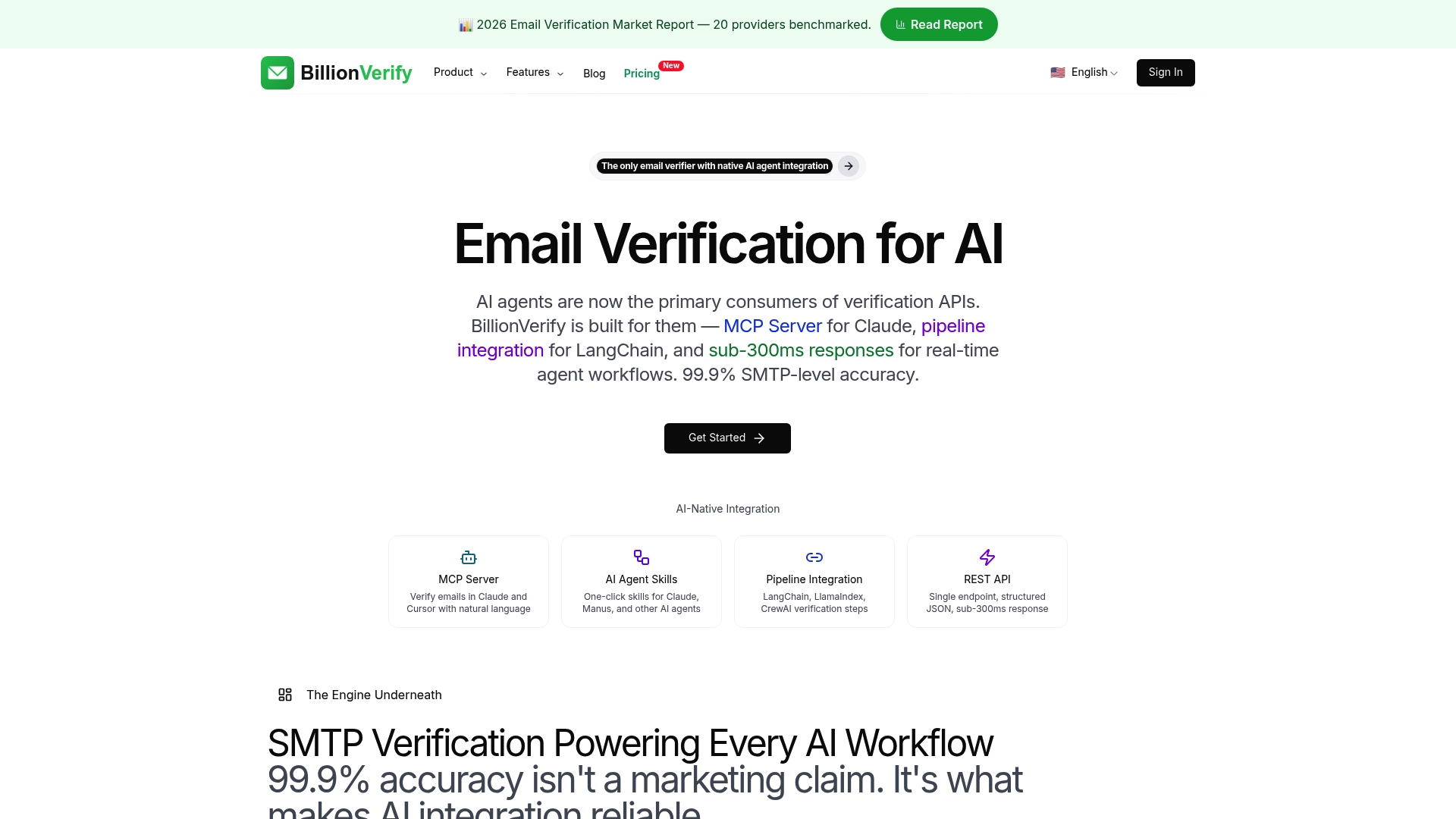
Our multi-layer verification process achieves accuracy above 99% by checking syntax, domain validity, mailbox existence, and risk factors in a single pass. We detect disposable emails, spam traps, role-based addresses, and catch-all domains that other services miss. The platform integrates natively with over 20 major ESPs and CRMs, allowing you to automate hygiene without disrupting your existing workflows. Whether you need real-time email verification API guide integration for new signups or bulk email verification service for existing lists, BillionVerify scales to handle millions of verifications per month. E-commerce and SaaS marketers trust our email list hygiene solutions to protect sender reputation, boost deliverability, and maximize campaign ROI through continuously clean, engaged lists.
FAQs About Email List Quality
What is the ideal bounce rate to maintain good list quality?
You should target bounce rates below 2% to maintain strong deliverability and sender reputation. Rates between 2% and 5% indicate emerging quality problems that need attention, while anything above 5% actively damages your reputation and triggers spam filter scrutiny. Consistent monitoring and quarterly verification keep bounce rates in the healthy range.
How often should I clean and validate my email list?
Clean and validate your list every 3 to 6 months to counter natural address decay. Email addresses become invalid at roughly 22% per year as people change jobs, abandon accounts, or switch providers. Quarterly cleaning catches this decay before it accumulates into campaign-damaging bounce rates and poor engagement.
Can segmentation alone improve my email deliverability?
Segmentation improves targeting and engagement but cannot replace verification and hygiene practices. You need both strategies working together. Segmentation optimizes communication with valid, engaged subscribers, while verification removes invalid and risky addresses that segmentation cannot fix. Combined, they create maximum deliverability and ROI.
What types of email addresses should I remove during list hygiene?
Remove hard bounces, soft bounces that persist beyond 30 days, spam traps, disposable addresses, role-based accounts used for marketing, catch-all domains with poor engagement, and subscribers inactive for 12 months or more. Also eliminate addresses generating spam complaints or showing patterns consistent with bot signups. Aggressive cleaning protects your sender reputation.
Is real-time email verification necessary?
Real-time verification prevents bad addresses from entering your list at signup, saving money and protecting reputation from the start. It catches typos, fake emails, and disposable addresses immediately rather than discovering them after you've sent campaigns. For high-volume signups or valuable lead generation, real-time verification provides ROI through reduced waste and better list quality from day one.